Inception and historical context
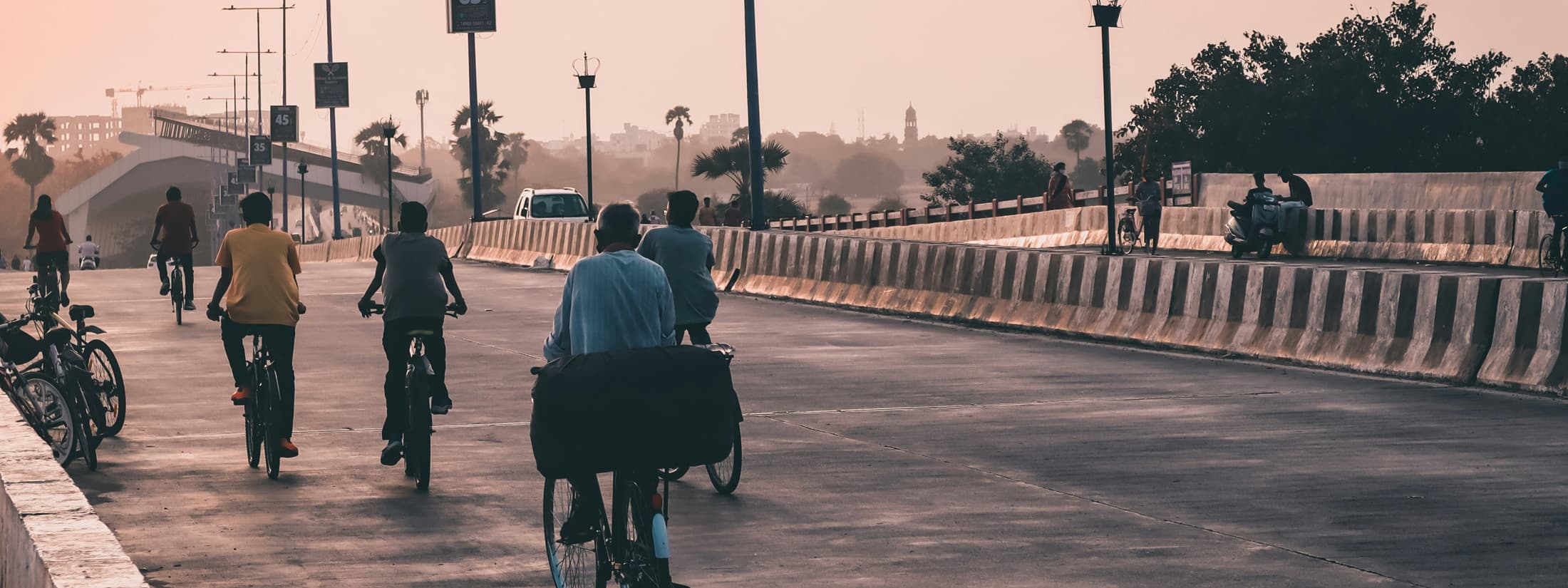
Cycling in India dates back to the late 19th century when cycles were introduced by the British. Initially considered a luxury item, cycles gradually gained popularity among the Indian populace due to their affordability and utility in a rapidly changing social and economic landscape. By the mid-20th century, cycling had become a common mode of transport for both urban and rural communities across India, shaping the country's mobility landscape for decades.
Decline and resurgence
The advent of motorised vehicles in the post-independence era led to a decline in cycling as a primary mode of transportation. However, in recent decades, concerns over environmental degradation, traffic congestion, and sedentary lifestyles have sparked renewed interest in cycling. Cities like Delhi, Mumbai, Bangalore, and Pune have witnessed a burgeoning cycling community supported by infrastructure improvements and advocacy efforts. As Urban Historian Dr. Ramesh Patel notes: 'For a generation of Indians, cycling became something you did until you could afford a scooter - a symbol of upward mobility was leaving your bicycle behind.'
Present-day scenario
Today, cycle culture in India is multifaceted, encompassing recreational cycling, competitive sports, commuting, and fitness activities. Urban areas have witnessed a surge in cycling clubs, events, and dedicated cycle lanes, reflecting a growing awareness of sustainable urban mobility. What was once seen as a poor person's transport has become a marker of a modern, health-conscious, and environmentally aware lifestyle - a complete reversal of its earlier social status.
Health and environmental benefits
The resurgence of cycling is not merely a trend but a conscious choice driven by its myriad benefits. It promotes physical fitness and mental well-being, reduces carbon emissions and traffic congestion, provides an affordable transportation option, and creates more livable urban spaces. In a country facing severe air quality challenges and growing lifestyle diseases, cycling offers a rare solution that addresses both personal health and planetary health at the same time.
Challenges and opportunities
Despite its growth, cycle culture in India faces several challenges. Infrastructure remains limited - only about 30% of urban roadways feature dedicated cycle lanes. Safety is another concern, with mixed traffic conditions and a lack of driver awareness putting cyclists at risk. Policy support is also emerging slowly, with only 25% of cities actively integrating cycling into their urban planning. However, initiatives like the Smart Cities Mission are working towards creating safer cycling environments and integrating cycling into urban planning strategies across major cities.
Future prospects
Looking ahead, the future of cycle culture in India appears promising. Government initiatives promoting cycling infrastructure are gaining traction across states. Cycle-sharing programs are expanding in major cities like Delhi, Pune, and Bhopal. Electric bicycles are making cycling accessible to wider demographics, including older riders and those in hilly areas. And corporate adoption of cycling-friendly policies is slowly changing the daily commute. A 2024 survey found that 47% of urban Indians are considering cycling as their primary commute - a strong signal of where the country is heading.
Conclusion: a cultural shift on two wheels
Cycle culture in India has evolved from a historical mode of transport to a symbol of sustainability and healthy living. The journey from inception to the present-day scenario reflects a growing awareness of the benefits of cycling and a concerted effort towards creating a more cycle-friendly environment. As more Indians embrace cycling as a lifestyle choice, the cultural and societal impact of this trend is expected to continue shaping urban landscapes across the country - one ride at a time.