From words to action — a defining moment
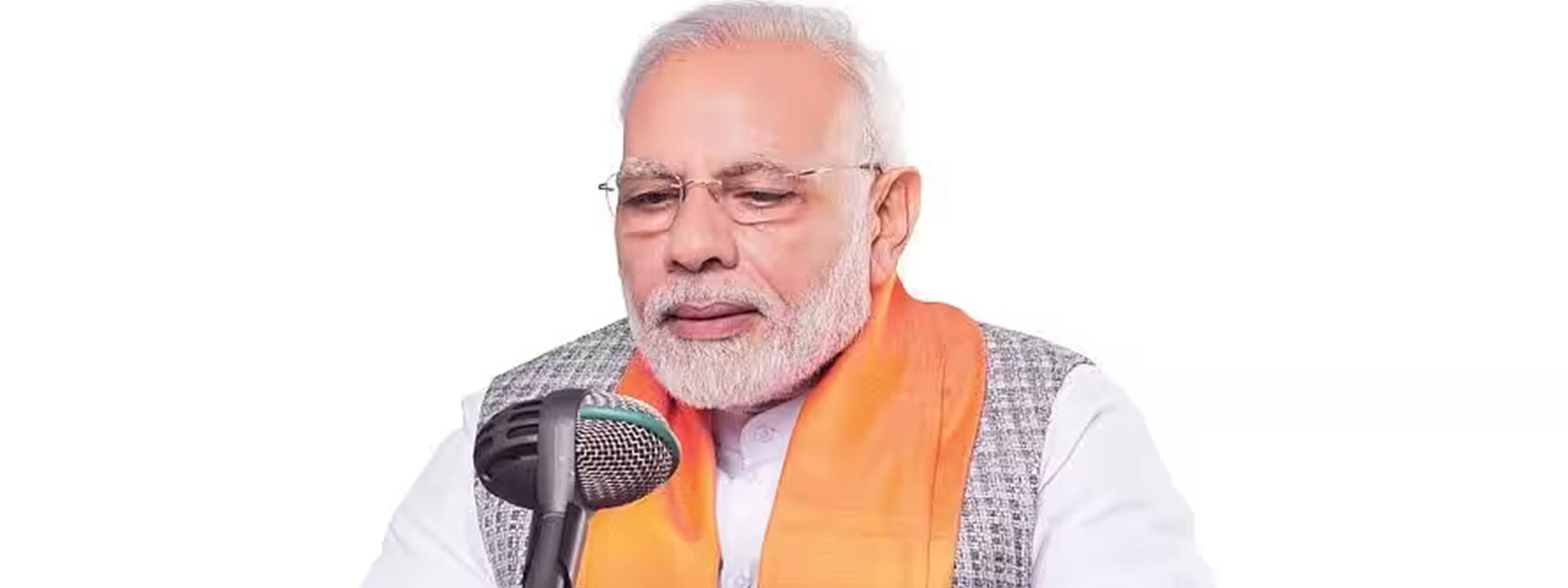
The shift from Mann Ki Baat to Cycle with PM would mark a monumental transformation in leadership communication. This transition from words to action would set a global precedent, reinforcing that actions are the most powerful form of messaging. When the Prime Minister leads by example, it sends a stronger message than a thousand speeches. As an Urban Mobility Expert puts it: 'When people cycle alongside the PM, they don't just hear the message; they live it.' The difference between broadcasting a message and embodying it is the difference between inspiration and transformation.
From passive listening to active participation
While Mann Ki Baat raises awareness, its impact remains largely passive — citizens receive the message, but do not participate in creating change. Cycle with PM invites direct involvement, ensuring every citizen can be part of a movement rather than just an audience. This active participation creates lasting behavioural change that radio broadcasts alone cannot achieve. A listener might nod along to a speech; a cyclist who joins a ride has already changed their habit, their health, and their relationship with their city.
The visual and social media revolution
In today's digital age, video content has far greater reach than traditional radio. Cycle with PM would create highly engaging, shareable moments that capture the public imagination. Live streams of cycling routes across India would put citizens alongside the Prime Minister in real time. User-generated content challenges would amplify organic reach. Interactive maps of the PM's cycling journeys would gamify the movement. And real-time fitness tracking of the initiative would turn fitness into a national story. This is what modern public engagement looks like — participatory, visual, and shareable.
Increased youth engagement
The younger generation prefers action over words. They're more likely to join a fitness challenge than listen to a speech. Cycle with PM would directly engage young people, inspiring them to take up cycling as both fitness and sustainable transport. The influence of youth on their families would create a cascading effect across generations — a young cyclist influences their parents, their siblings, and their peers. This intergenerational impact is something a speech cannot achieve, and it is exactly what India's public health and sustainability movements need.
Promotion of health and fitness
With India facing rising lifestyle diseases — diabetes, hypertension, obesity, and cardiovascular issues — cycling offers a low-impact yet highly effective exercise solution. A nationwide movement led by the PM could inspire millions to adopt active lifestyles, creating a more productive and healthier nation. The health economics are staggering: reduced healthcare burden, improved workforce productivity, and a lower incidence of non-communicable diseases. A cycling initiative led by the Prime Minister would not only be symbolic — it would be a national health intervention at scale.
Boost to sustainable urban mobility
As traffic congestion and pollution worsen, India urgently needs sustainable mobility solutions. A high-profile cycling initiative could drive critical policy changes across the country. It could accelerate the development of dedicated cycle lanes nationwide. It could improve road safety measures for cyclists. It could integrate cycling into urban transport planning alongside metro, bus, and pedestrian infrastructure. And it could introduce incentives for cycle-to-work programs at both corporate and municipal levels. Policy change often requires a signal from the top — and Cycle with PM would be that signal.
A stronger emotional connection and international recognition
Seeing the Prime Minister cycling through streets, interacting with citizens, and experiencing daily challenges would create an unparalleled bond. Unlike speeches that can feel distant, Cycle with PM makes leadership relatable and personal, strengthening public trust in governance. On the world stage, this initiative would position India as a global leader in green mobility, aligning with movements like World Bicycle Day and climate action summits. It would showcase India's commitment to sustainable development — not just as a policy position, but as a lived practice.
Economic and cultural impact
The ripple effects of Cycle with PM would be far-reaching. It would boost cycling tourism in scenic regions like Rajasthan, Himachal Pradesh, and the Nilgiris. It would grow local businesses and manufacturers of cycles, gear, and accessories. It would shift corporate policies toward cycling-friendly infrastructure and incentives. And it would break long-standing stereotypes about cycling as a poor person's transport — repositioning the cycle as a symbol of modern, healthy, and sustainable living.
A legacy beyond words
While speeches are often forgotten, movements create lasting change. Cycle with PM could embed cycling into India's culture, infrastructure, and public mindset, leaving a legacy far greater than any radio program. It would be remembered not as something the Prime Minister said, but as something the Prime Minister did — and as something millions of Indians did alongside him. That is the difference between a message and a movement.
Conclusion: the road ahead
India stands at a crossroads between traditional communication and action-driven leadership. Cycle with PM isn't just about fitness or transport — it's about redefining progress itself. By choosing the cycle, the Prime Minister would send a powerful message that sustainability and health are true markers of development. This initiative has the power to transform urban infrastructure, encourage mass participation, and inspire policy shifts that make cycling a mainstream transport option. It could ignite a national movement where cycling becomes a symbol of empowerment and forward-thinking leadership. In the end, Cycle with PM would prove that sometimes, the most powerful message isn't spoken — it's pedaled.